
BC Wildfire
Community based climate adaptation + planning: local climate change refugees - disaster preparedness + climate adaptation networks
Designer: Emily Liu/Amira/Nayla
Date: Mar-Apr 2025
Location: Vancouver-ecuad
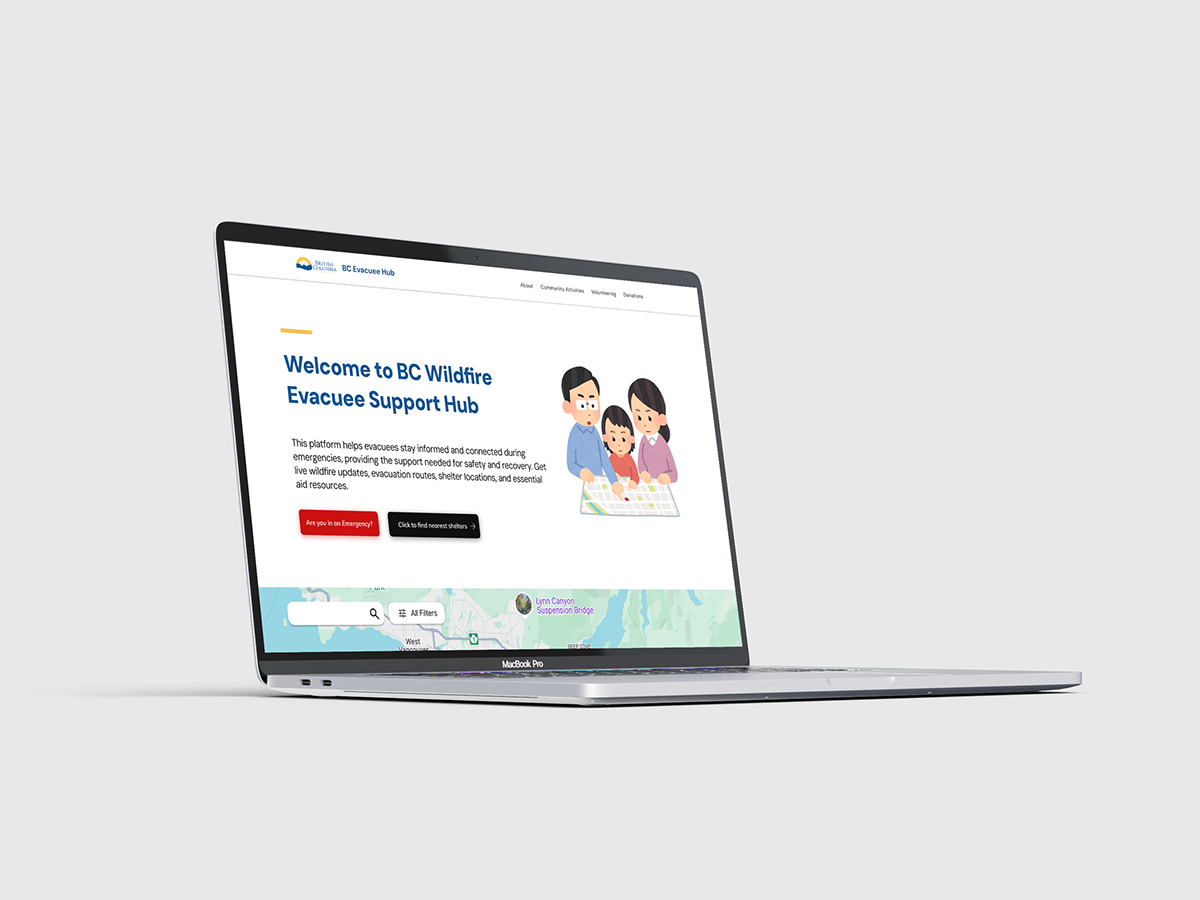
Co-creation work
Team:
Emily: Product designer
Amira: User researcher
Nayla: service designer
User Group: 20-25 Students
The project is about finding ways to help the community prepare for and recover from climate disasters like wildfires in BC. We want to support those who are affected and provide solutions for each stage of a disaster.
Through workshops, we identified the challenges people face before, during, and after a wildfire. This helped us come up with ideas for our final deliverable, which is focused on improving recovery efforts.
Our goal is to support those affected by disasters and strengthen disaster preparedness. By building strong support networks, we can help people become better equipped to face future challenges.
Get to know about our workflow
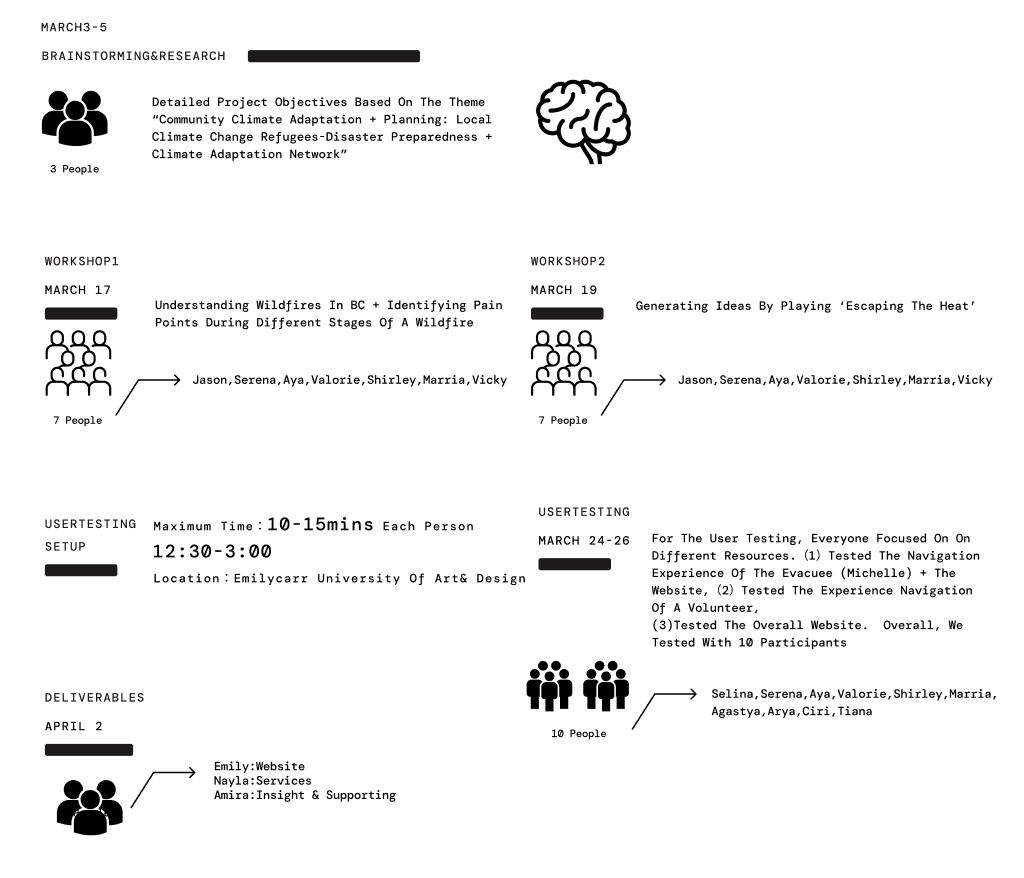
01 Context-Brainstorming
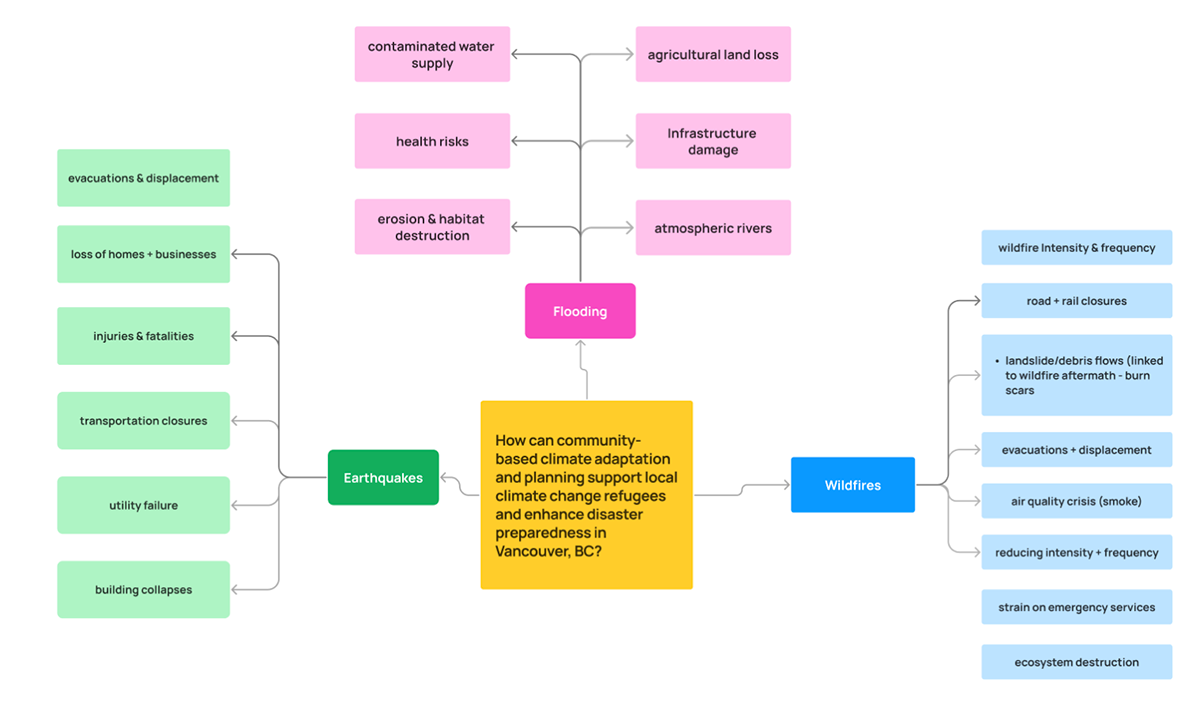
Our team selected “Community-Based Climate Adaptation and Planning: Local Climate Change Refugees.” Motivated by British Columbia's recurring summer wildfires and recent LA fires, we initially focused on wildfire resilience. After experiencing localized earthquakes in Vancouver, we integrated seismic hazards as a secondary focus—addressing the compound risks of overlapping disasters through community-centered support systems.
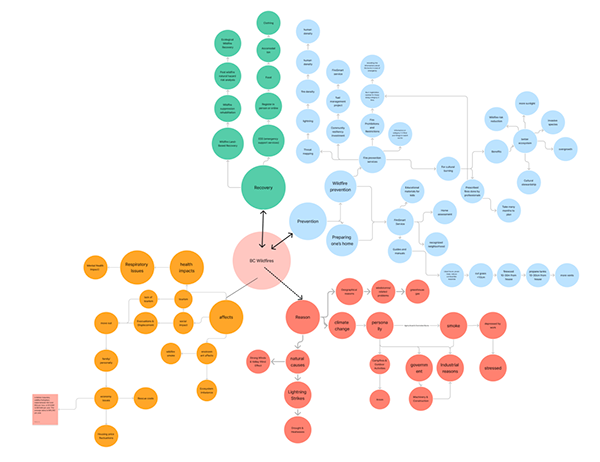
02 Evacuation of BC
“
”We were having dinner that day, and it suddenly became gray outside. The phone just received the “evacuation alert”, and I was still hesitating whether I really needed to leave. Unexpectedly, two hours later, I received a formal evacuation order. We hurriedly packed everything that could fit into the car-now, everything left in the house is still there.” ”
Clearer Directives: Clarify the distinction between evacuation alerts and orders.
Equitable Logistics: Prioritize remote and transit-dependent residents.
Targeted Care: Coordinate community and government support for seniors and farmers.
Livable Aid: Calibrate financial relief to real-world living costs.
Inclusive Access: Balance digital emergency tools with non-digital alternatives.
Systemic View: Evacuation is not a single act, but an ongoing test of support systems.
03 Workshop1____>
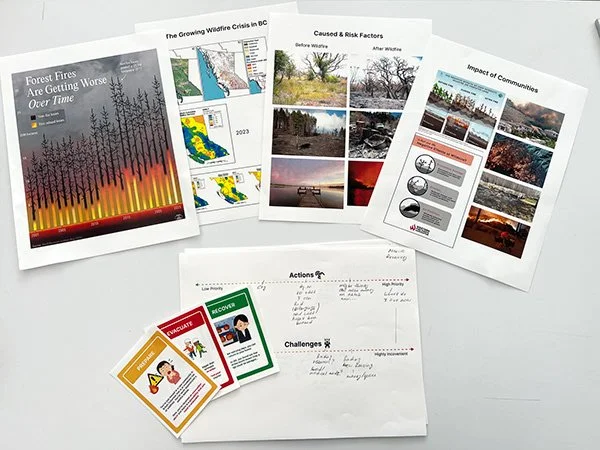
Before: Responding to a first-time evacuation alert as a newcomer.
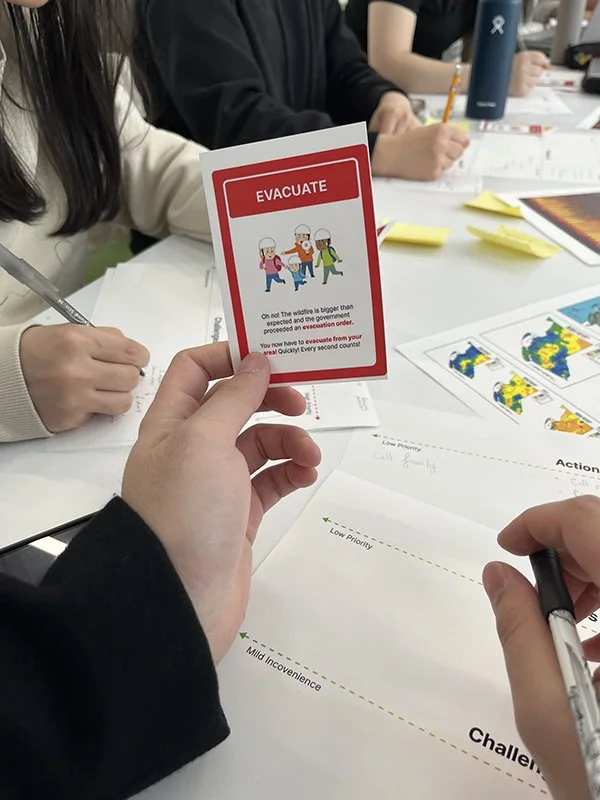
During: Executing an immediate, mandatory evacuation order.
After: Returning to a destroyed home and facing recovery.
04 Workshop2__
Insights of the Wildfire Preparedness
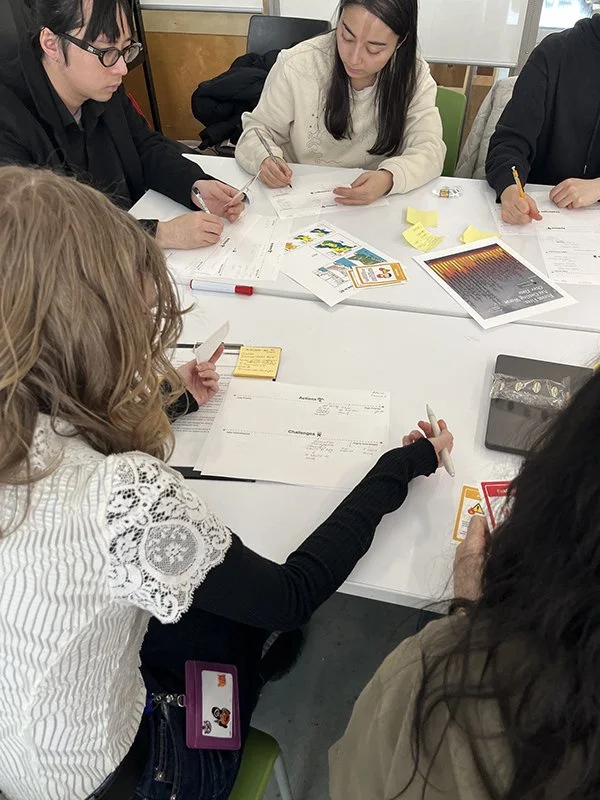
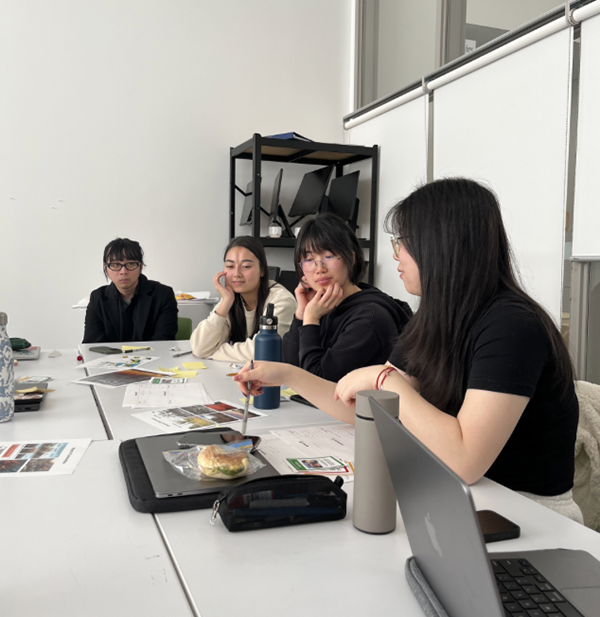
The majority of participants engaged more seriously with the task, raising realistic and practical concerns such as:
Where should I go if a wildfire occurs?
What if I don’t have access to a car? How do I evacuate safely?
What essential items should I prepare to protect myself and my family?



Key Finding: Pervasive uncertainty around evacuation essentials revealed a significant literacy gap, demonstrating an urgent need for intuitive, actionable emergency guidance.
Next Steps for Workshop 2: We will directly address these gaps by developing practical preparedness playbooks, community evacuation workflows, and role-clarity frameworks across all disaster phases.
HOW MIGHT WE?
LET PARTICIPANTS HELP US DESIGN
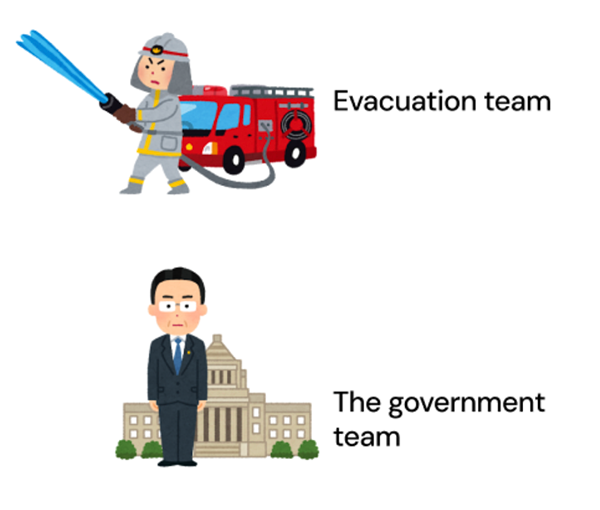
Meanwhile Government Team needs to think of a reasonable, fair and sustainable way to respond to the changing and diverse needs of the masses. They need to comprehensively consider resource allocation, time constraints, policy constraints and public pressure, weigh the pros and cons of decision-making, and find the most appropriate solution.
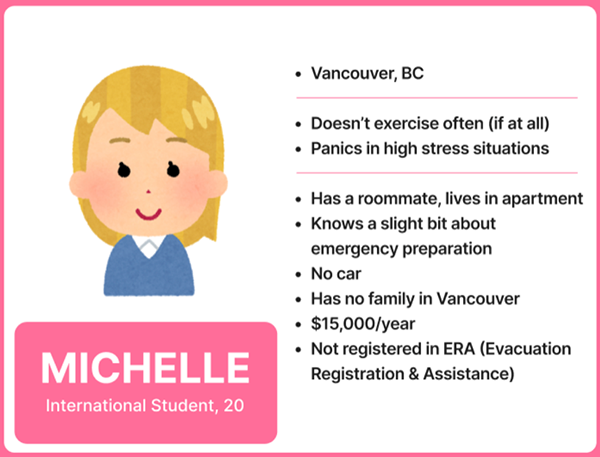
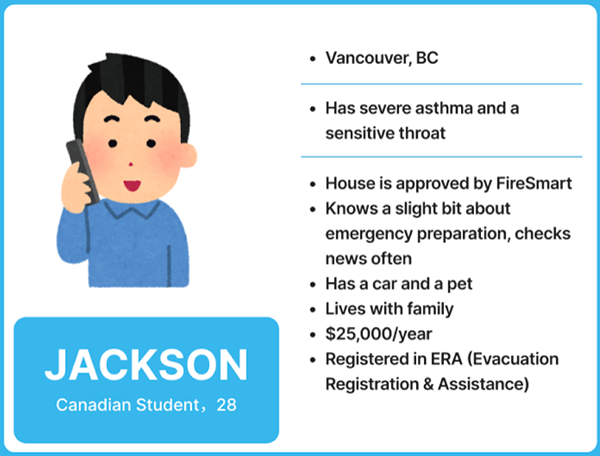
Evacuation Team, on the other hand, represents residents like Michelle and Jackson from the perspective of the masses and puts forward actual demands to the government team. For example, more manpower is needed to assist the disabled during the evacuation process, and additional resources are sought for temporary resettlement, psychological support or reconstruction assistance after the fire. They need to coordinate the voices of different individuals, make reasonable and persuasive requests, and communicate and negotiate with the government.
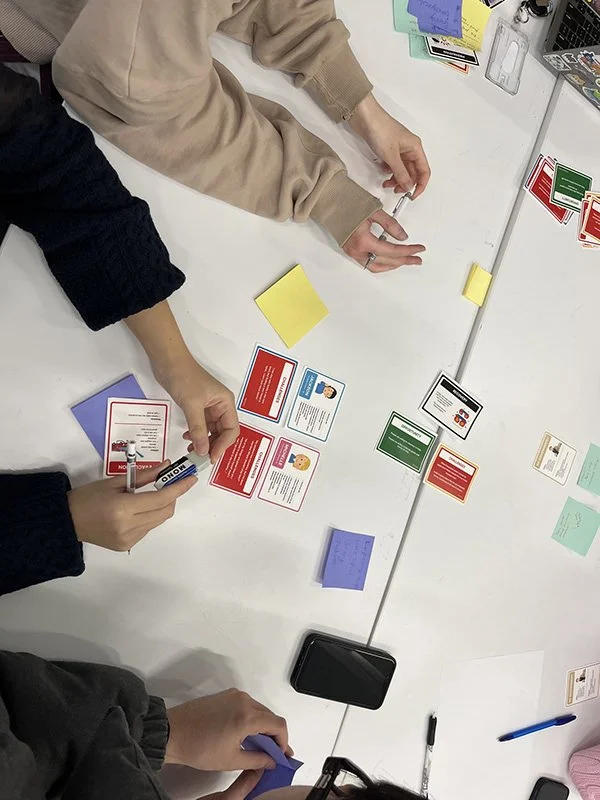
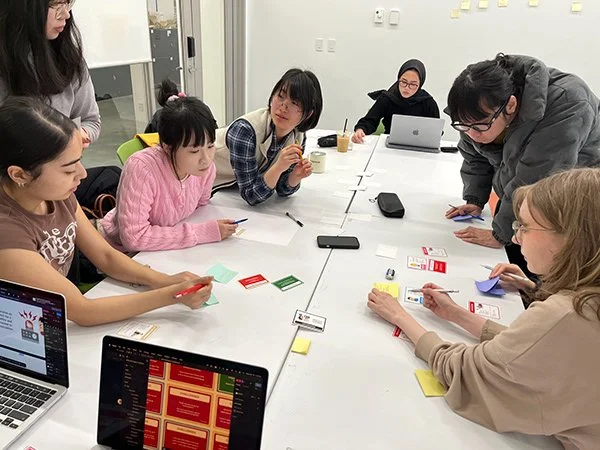
GAME RULES
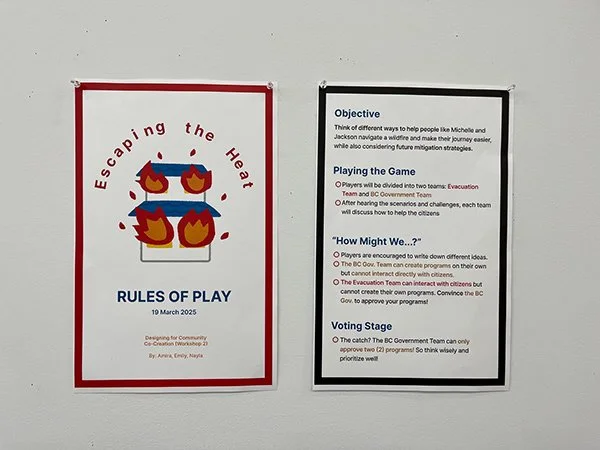
Pedagogical Value: The game mechanic deepens engagement and fulfills the workshop's core mandate: challenging participants to grapple with systemic complexity, surface hidden institutional gaps, and co-create real-world interventions through simulation.
Session Structure (45 Min): Clear, concise rules ensure focused pacing across each scenario within the 45-minute constraint. Key rules are outlined below:
05 User Testing___>
AMIRA, NAYLA, EMILY
USER:SELINA,SERENA,AYA,VALORIE,SHIRLEY,MARRIA,AGASTYA,ARYA,CIRI,TIANA
MARCH 26, WEDNESDAY
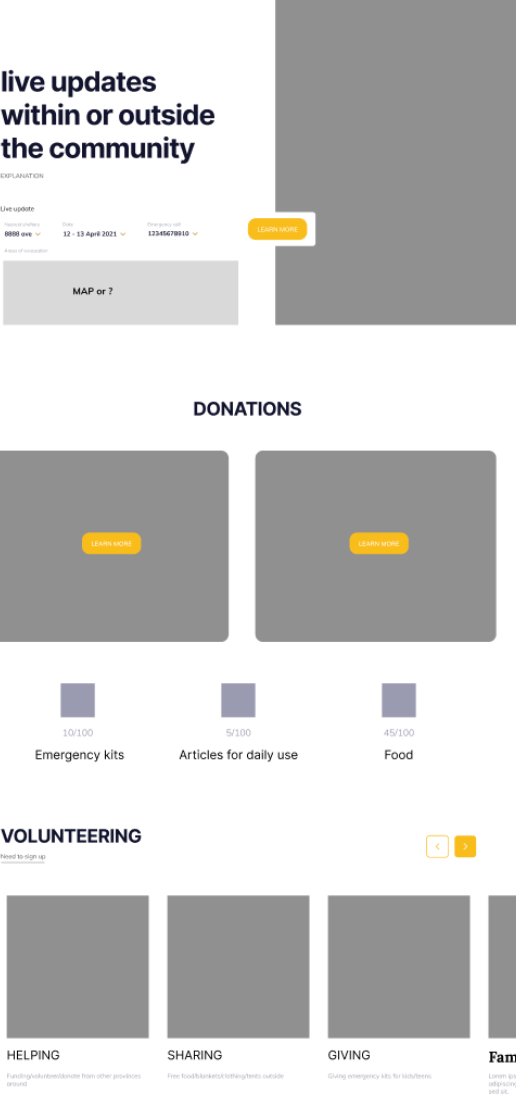
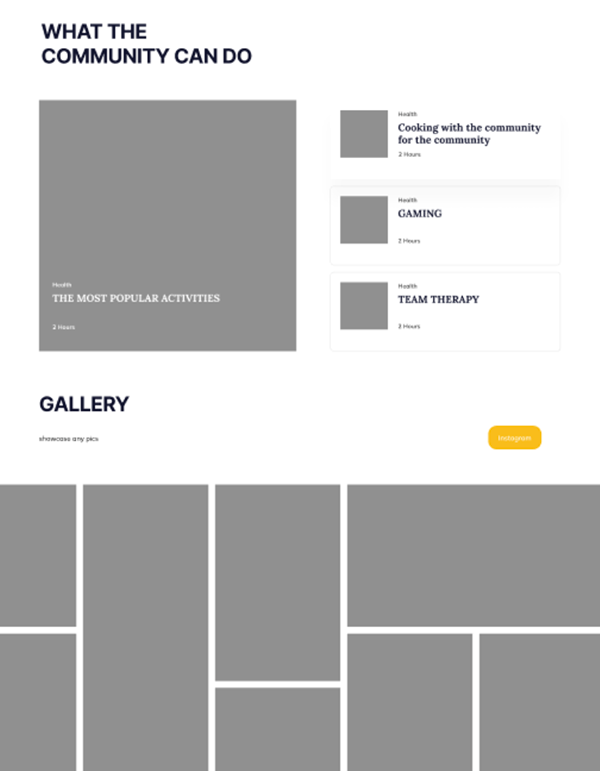
we plan to prioritize the initial design of the landing page layout as the basic framework for building the entire service system. On this basis, we will further refine the user process and gradually start drawing the service blueprint to ensure that the overall user workflow has a clear and logically reasonable structure that can effectively respond to the needs and challenges identified in the preliminary research.
06 Deliverables
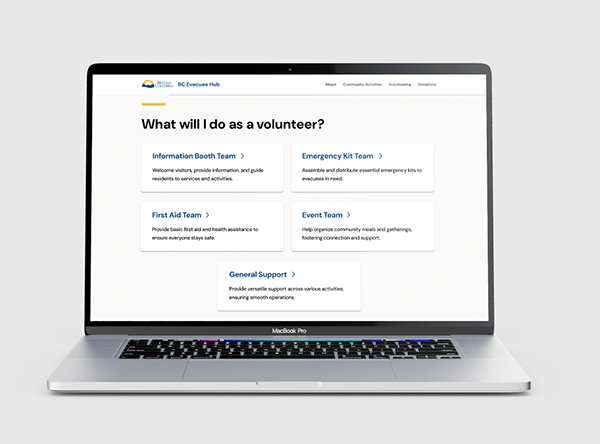
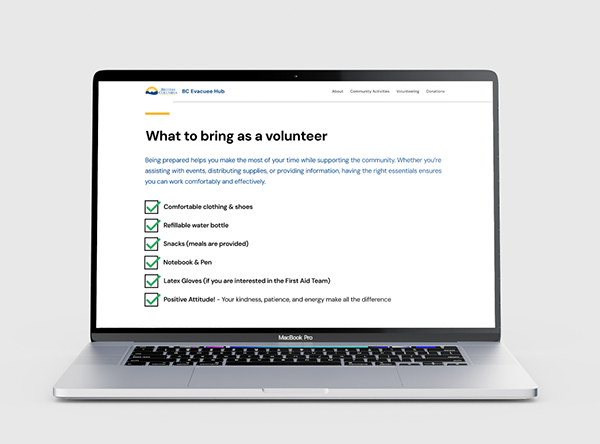
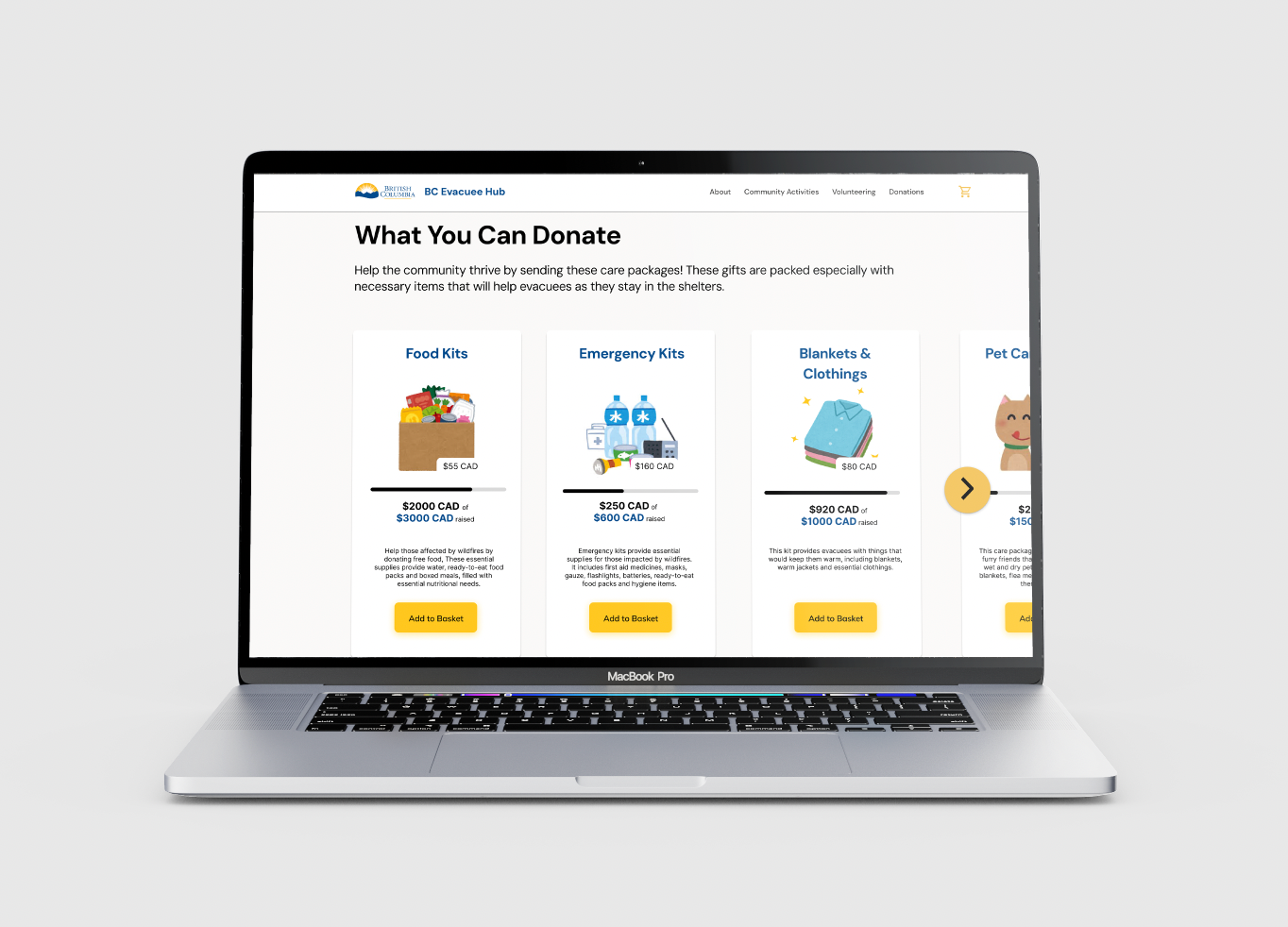
HOW MIGHT WE ENSURE THAT BOTH EVACUEES AND VOLUNTEERS RECEIVE CONSISTENT, HUMAN-CENTERED SUPPORT NOT JUST ONLINE, BUT THROUGHOUT THEIR ENTIRE JOURNEY IN AND AROUND THE SHELTER SYSTEM?
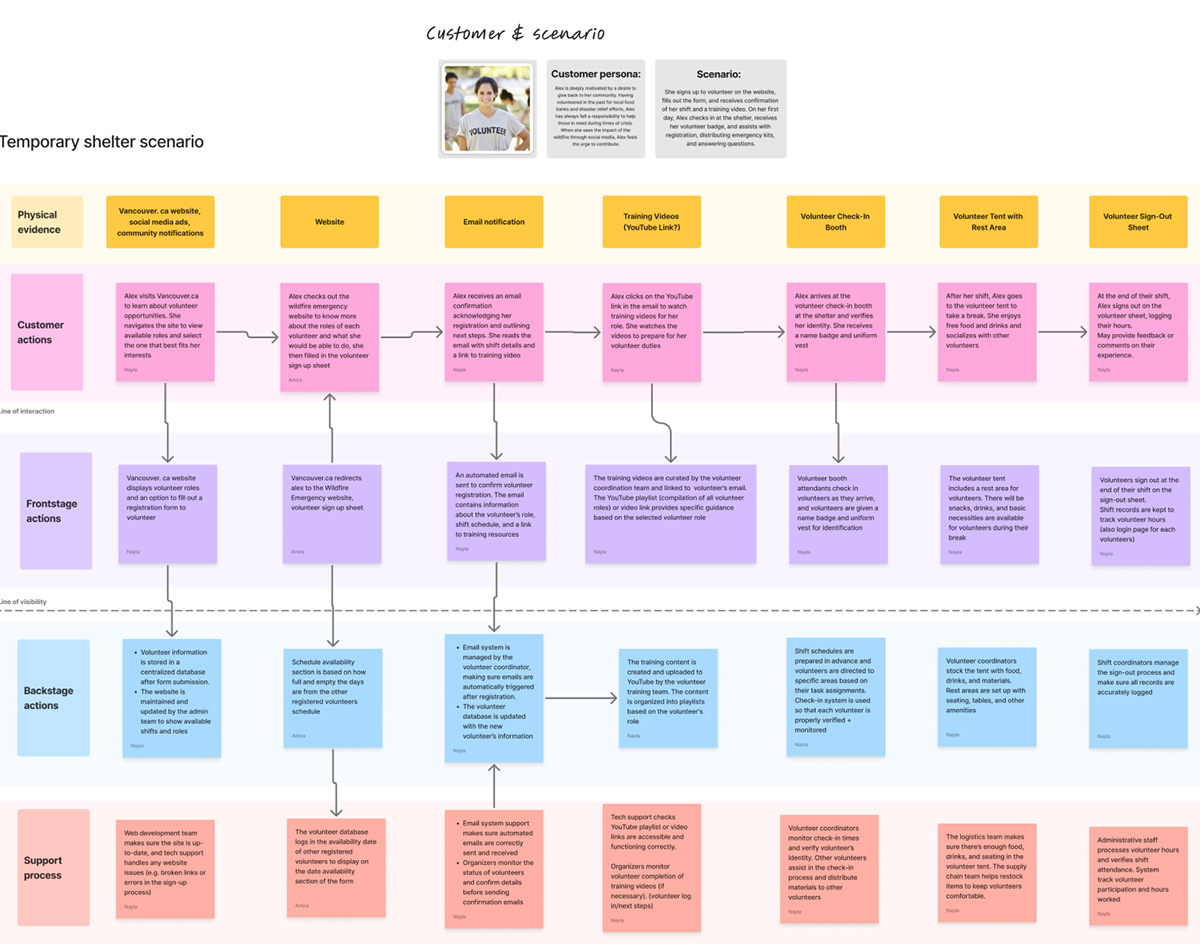
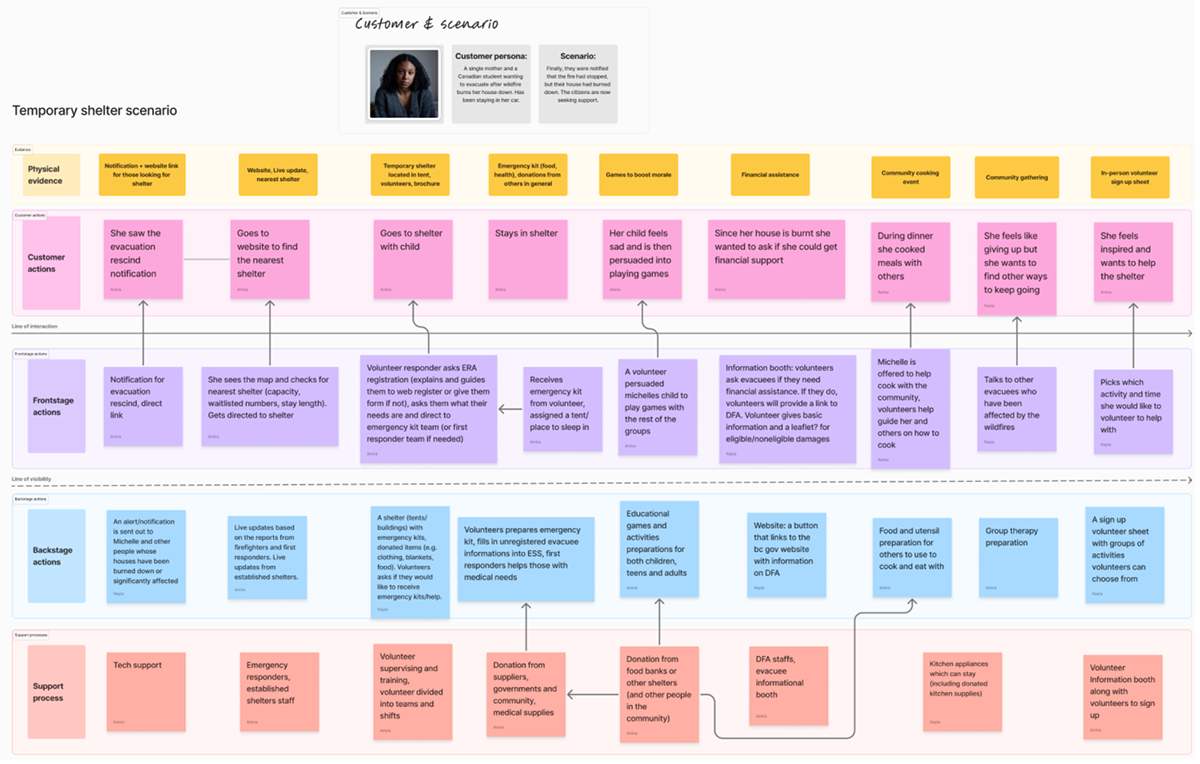
Relational Reciprocity: Evacuees and volunteers form an evolving loop where supported survivors become future helpers, driving grassroots community co-creation.
Differentiated Digital UX:
Evacuees: Low-cognitive-load, direct navigation for high-stress decision-making.
Volunteers: Structured workflows for credentialing, shift scheduling, and rapid training.
Service Blueprint Realization: The interface is only the visible surface; system efficacy depends on backstage logistics—supply distribution, shift coordination, and trauma-informed psychosocial support.
Core Takeaway: Effective disaster resilience marries technical utility with human-centered care, moving people from simply finding shelter to feeling sheltered.
